
Good afternoon, colleagues and interested parties
We are sharing the latest version of the cargo report.
The following highlights are worth noting:
- Durban Gateway Terminal – current situation:
- Waterside throughput fell to 20,110 TEUs (-39%, w/w) following the previous week’s rebound, with DGT attributing material disruption to two days of extreme weather and associated knock-on effects.
- Vessel delays remain severe: average anchorage time was approximately 214 hours, berth time around 123 hours, and the latest daily position showed 10 vessels at anchorage.
- Landside conditions remain materially better than during the late-August crisis, with stack occupancy at 54.5% and road imports on hand at 1,960 containers.
- However, evacuation remains inconsistent, with 2,225 gate moves and 287 rail moves in the latest 24-hour period; the broader trend remains below earlier operating levels.
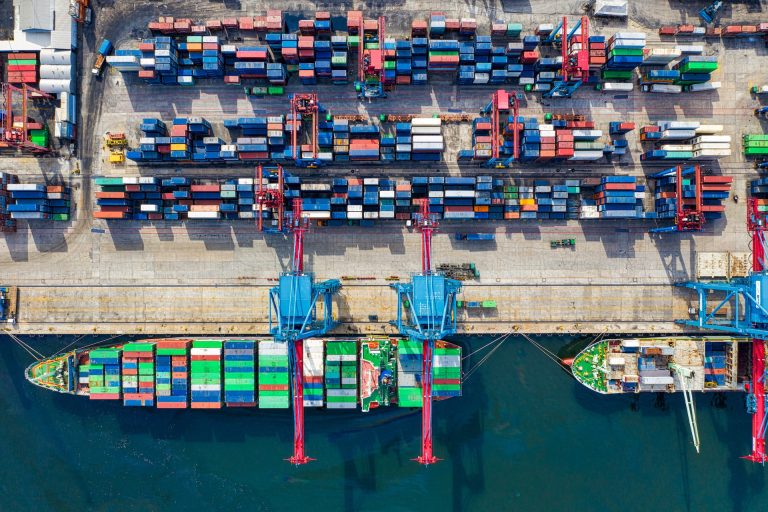
- The disruption is increasingly visible elsewhere in the system, with congestion building at Pier 1 and Ngqura and the total Durban vessel queue rising to 33 vessels, including 19 container vessels at anchorage.
- Global shipping industry:
- Global container shipping remains constrained by persistent port congestion, tight vessel availability and elevated rates, with more than 11% of global containership capacity still absorbed by congestion.
- The supply pipeline continues to expand rapidly: the global orderbook now exceeds 45% of the existing fleet, comprising approximately 1,925 vessels and 15.6 million TEU, while the charter market remains exceptionally firm.
- Suez routings continue to recover gradually, despite renewed Red Sea security concerns; meanwhile, freight markets remain elevated, with Drewry’s WCI around $4,500/40ft and HARPEX at approximately 2,450 points.