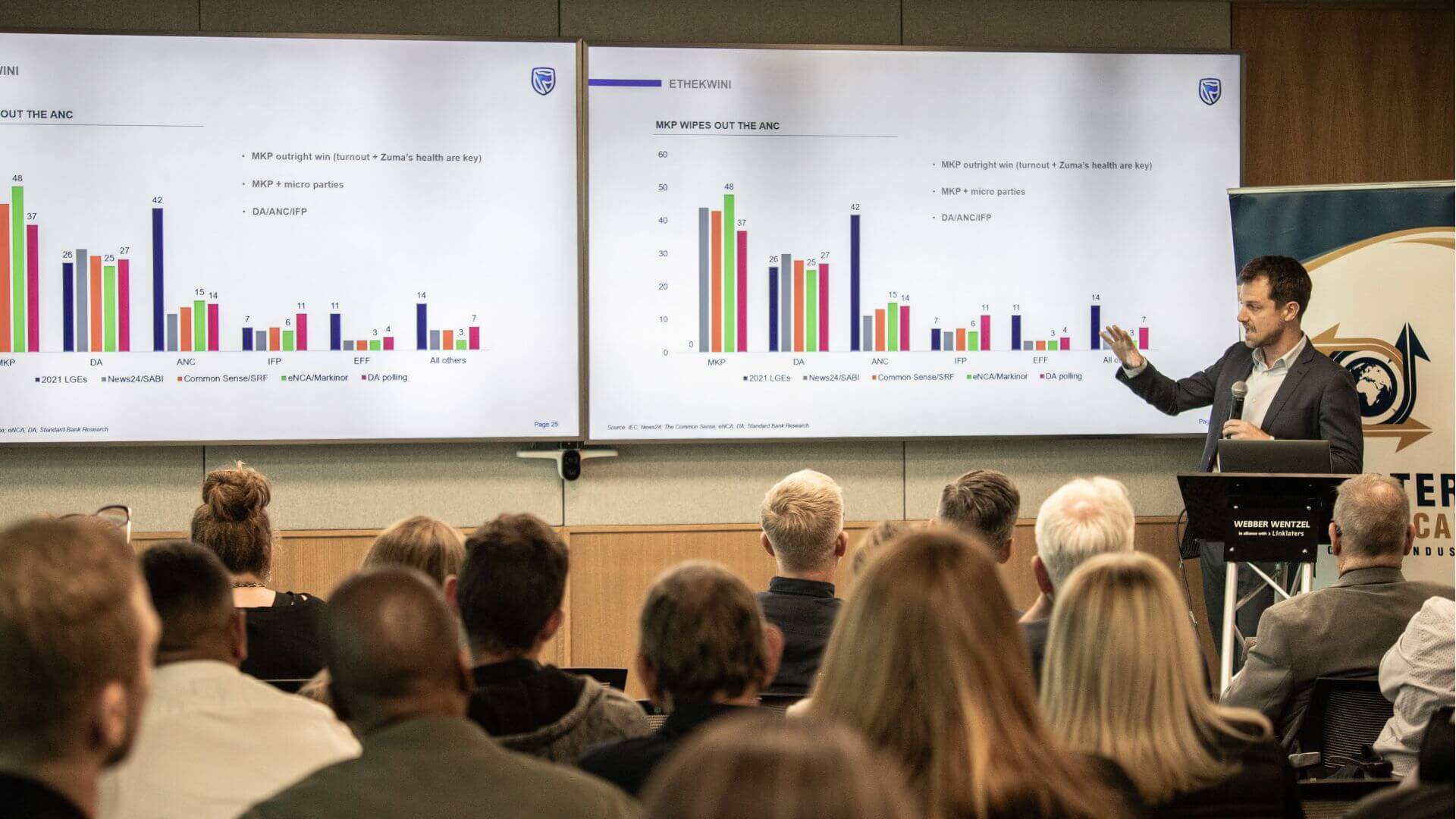

South Africa has more reasons for optimism than recent headlines suggest, Standard Bank political economist Simon Freemantle told members of Exporters Western Cape (EWC) in Cape Town.
“We haven’t shot ourselves in the foot, it’s happened elsewhere. We’ve suffered because of that, but our structural fundamentals still look fairly good. But there are real risks and we have to be alive to those risks,” he said.
Freemantle, who has spent 18 years at the bank, most of them as its political economist, said he began the year more positive about South Africa’s political outlook than at any point in his career. The year has been frustrating, he said, but largely because of global events rather than domestic failings.
Standard Bank has cut its growth forecast for this year from 1.8% to 1%, which Freemantle put down almost entirely to geopolitics. The oil price and its effect on inflation hurt most. The bank had expected two interest rate cuts this year but instead saw two increases. It forecasts growth of about 1.3% next year and around 2% by 2028, which he said was the minimum needed to sustain fiscal consolidation over the longer term.
Five reasons for optimism
First is the Government of National Unity (GNU). Few people expected the ANC and DA to find each other and most predicted the arrangement would not last, said Freemantle.
“But it’s a tactical alliance and that alliance is still holding, because the incentives are in place for key players to do so. And I think it will remain in place this year and next year. The GNU runway provides us with undercurrents of political stability, which we really must hold on to,” said Freemantle.
Second is structural reform. Freight activity is up 25% since the Transnet trough three or four years ago, though it remains 25% below its level a decade ago. The government-business partnership, he said, is in better shape than at any point in the democratic era and rating agencies have started to upgrade the country.
“To get the lights on and the trains running gets you back to steady state. Then you need to see additional improvements to get growth. But we’re moving in that direction and we’re also seeing considerable improvements at the national level in water.”
Third is a maturing DA, which he said now has younger leadership, a commitment to the GNU and a dedicated policy unit. Its ability to demonstrate delivery in national government and build durable metro coalitions will be important tests of that progress.
Fourth is a tougher approach to governance. Freemantle described the Public Service Amendment Act, signed into law this year, as the most important legislation President Ramaphosa has passed. Separately, he highlighted reforms requiring metros to reinvest service revenues in infrastructure rather than diverting them to general expenditure, including salaries. He also pointed to action by the Department of Water and Sanitation against officials over negligence and criminality.
Fifth, he said, South Africans should not underestimate the importance of the Madlanga Commission, which he sees as a real opening to reform the criminal justice system.
“They’ve got an investigative team running concurrently. They don’t have to wait until the commission finishes its work,” he said. “It’s got real teeth. These commissioners are doing an exceptional job.”
The risks
Freemantle was equally clear about the risks. Geopolitics is the biggest, with conflict at its highest level since the Second World War and no global power able to restore order.
Closer to home, he flagged coalition talks in key metros, particularly Johannesburg, which has had nine mayors in a decade. A deal between the ANC and DA there, he said, would lift sentiment considerably.
He also pointed to the rule of law crisis, with a police murder detection rate of just 11%, uncertainty over ANC succession and the appeal of authoritarian populism as people grow more afraid for their safety.
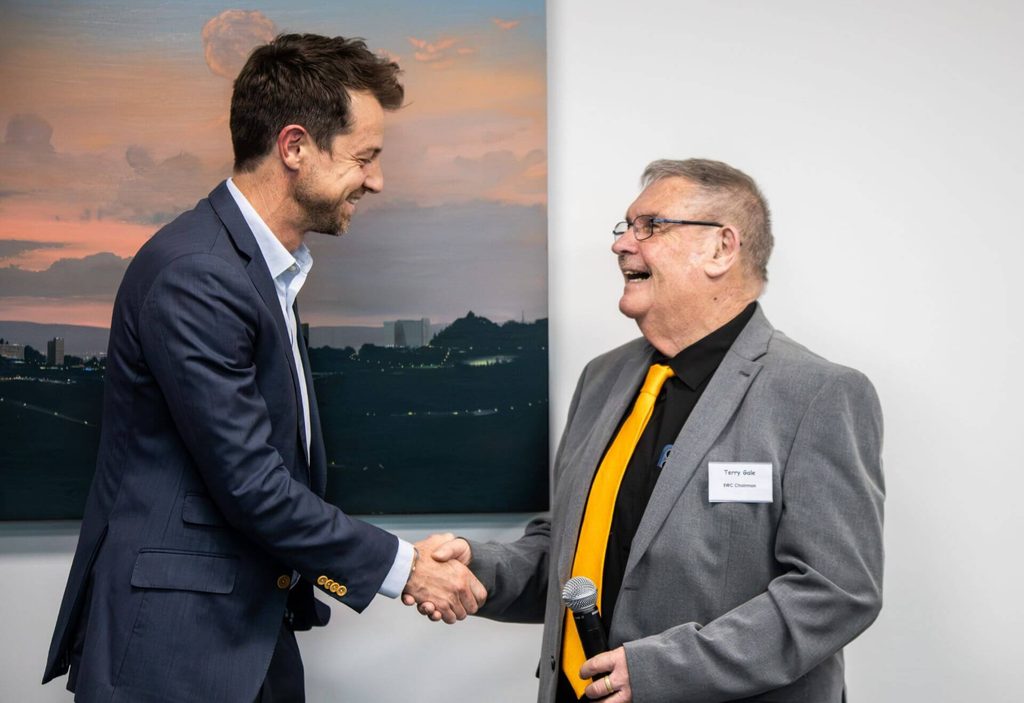
EWC chairman Terry Gale said the presentation offered an important perspective for businesses dealing with the daily challenges of exporting.
“When you are dealing with port delays and the cost of getting goods to market, it can be difficult to see the progress being made elsewhere. Simon gave our members good reason to be more positive about South Africa’s prospects, without overlooking the problems that still need attention.
“For exporters, the test is whether that progress makes it easier to do business. We need to see improvements reflected in reliable services and the confidence to invest in growing our exports.”
About Exporters Western Cape
Exporters Western Cape is a non-profit organisation established in 1979 to support and promote active, sustainable exporting in the Western Cape.
The organisation provides a trusted platform for exporters and stakeholders across the trade ecosystem to connect, share knowledge and engage on key issues affecting export growth. Through a programme of informative and interactive networking events, Exporters Western Cape facilitates dialogue between business, government and trade associations, while signposting both new and established exporters to relevant expertise, insights and market opportunities.
Issued by
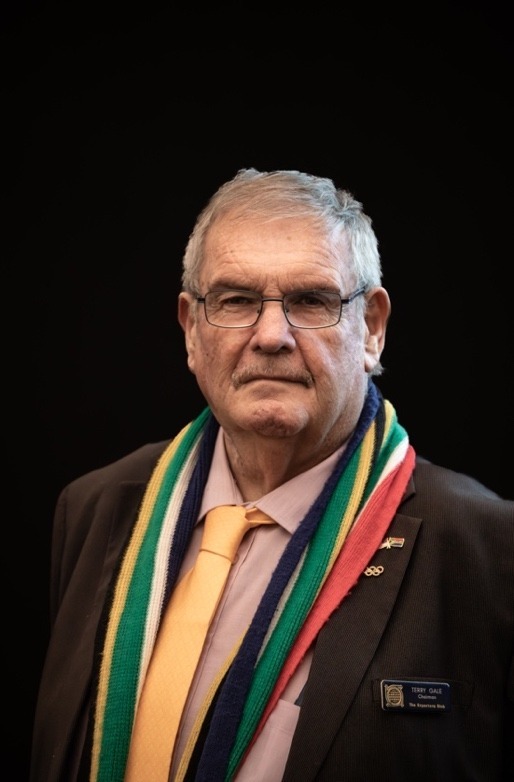
Contact: Terry Gale (EWC Chairman)
Cell phone: 082 436 0751
Email: terry@ewc.org.za
Website: www.ewc.org.za