
Containers are down by -16% this week; air cargo is up by +3%
Dear colleagues and interested parties
We are sharing the latest version of the cargo report.
The following highlights are worth noting:
- Port Performance and Congestion:
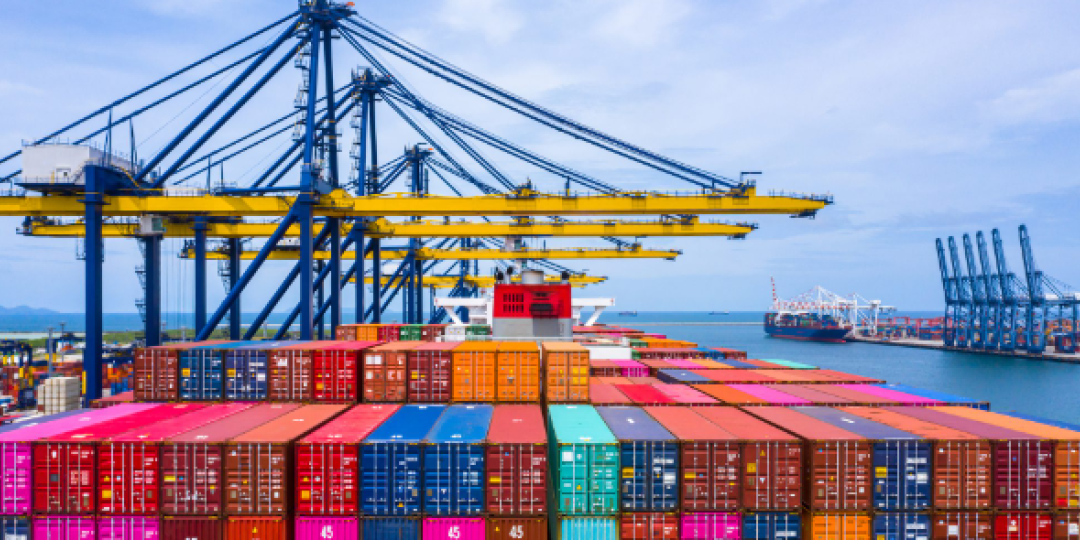
- South Africa’s container terminals handled an average of 7,470 TEUs per day, down from 8,870 TEUs in the previous week, with approximately 7,867 TEUs per day projected for the coming week.
- Congestion remained concentrated in Durban, where 11 container vessels were waiting at anchorage. Vessel dwell times averaged 41 hours at anchorage and 67 hours at berth at Pier 1, and 77 hours at anchorage and 109 hours at berth at DGT.
- DGT’s waterside movements nevertheless increased by +48% (w/w) to 3,098 container moves per day, while rail cargo handled out of Durban increased by +43% to 3,127 containers.
- Middle East Shipping and the Strait of Hormuz:
- Commercial vessel movements through the Strait of Hormuz remained constrained, with an average of only 14 vessel arrivals per day across all vessel types during the seven days to 19 July.
- A total of 24 containerships, representing approximately 69,000 TEUs, remained idle in the Persian Gulf, while bunker prices increased by +20% over two weeks and shipping capacity remained tight on major east–west routes.
- Risks also extended to the Bab el-Mandeb, where two Saudi crude tankers bound for Asia reversed course, while Drewry’s WCI declined by -2% to $4,547/40-foot after reaching a 22-month high.
- Cross-Border Road Freight Developments::
- Median crossing times increased to approximately 10 hours at South African borders (+15%, w/w) and 7.5 hours across the wider SADC region (+9%), with the estimated weekly indirect cost rising by +37% to R794 million.
- From 1 August 2026, Botswana will require customs declarations and supporting documents to be submitted before vehicles proceed to the border, with transporters required to obtain a “Proceed to Border” notification.
- At Lebombo, truck volumes increased by +2% to 1,573 HGVs per day, while queue and processing times increased by +28% and +29%, respectively; the Sencogene derailment also resulted in the temporary closure of the rail line.